Key Takeaways
- Planned maintenance cycles and standard specifications keep finishes consistent across every building in your portfolio, reducing tenant complaints and protecting lease renewals.
- Blair Commercial Painting works in occupied commercial spaces with quiet crews, after-hours scheduling, and low-VOC coatings that let tenants operate without interruption.
- A structured painting program combines annual touch-ups with 3-7 year full repaints, turning reactive fixes into predictable budget line items.
- Quality control depends on standardized colors, documented prep work, and clear communication systems that work across 5, 10, or 20 properties.
- This guide covers scheduling, coating selection, quality control, and communication systems designed for property managers managing multiple sites.
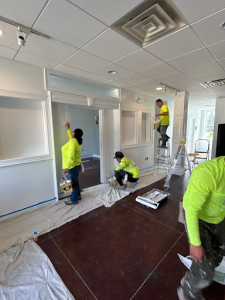
If you manage commercial buildings, you already know that painting is not a cosmetic decision. It affects lease renewals, tenant retention, and your reputation as a manager who keeps properties in good shape.
This guide is written for property managers who handle multiple buildings and need consistent painting quality, predictable costs, and minimal tenant disruption. Blair Commercial Painting focuses on occupied commercial spaces, from offices and retail centers to medical facilities, as outlined in their industry-specific commercial painting services in Milwaukee and Madison. Their broader industrial and commercial painting services cover new construction, maintenance programs, wall coverings, and specialty coatings. Quiet crews, after-hours work, and phased approaches keep your tenants operating while the work gets done.
The sections ahead cover interior and exterior paint maintenance, building a maintenance program, managing quality across multiple properties, and budgeting for long-term ROI. At the end, you can request a portfolio review and painting plan from Blair.
Why Commercial Property Painting Matters For Managers
Painting ties directly to lease renewals, tenant satisfaction, and brand image. In 2026 and beyond, property owners and facility managers face increasing pressure to maintain consistent appearance across retail, office, and medical properties. Mismatched finishes or peeling paint signal neglect. Tenants notice. So do prospective lessees.
Consistent commercial property painting protects substrates from moisture, UV, and daily wear. A fresh coat on exterior surfaces creates a protective barrier against the elements. Interior walls in high-traffic areas resist scuffs and stains longer with proper coating selection. This cuts long-term repair costs and extends intervals between major repaints.
Well-planned painting programs reduce complaints about noise, odor, mess, and scheduling conflicts in occupied buildings. When you coordinate work with tenant operations, you minimize disruption and keep lease relationships intact.
Blair Commercial Painting’s crews work to facility schedules. Every project includes final walkthroughs and photo documentation, giving you accountability and a clear record of work completed. Their approach is especially important in high-visibility retail environments, as outlined in their commercial painting guide for shopping centers.
Interior Commercial Property Painting: High-Use, Occupied Spaces
Corridors, lobbies, restrooms, stairwells, and tenant suites take constant abuse in multi-tenant buildings. Foot traffic, cart wheels, furniture moves, and cleaning chemicals all wear down painted surfaces faster than residential settings. Professional painters working in commercial property interiors need to account for this daily wear and plan repaint cycles accordingly.
Typical repaint intervals for interior spaces:
| Area Type | Repaint Cycle |
| General offices | 3-5 years |
| High-traffic corridors and lobbies | 2-3 years |
| Doors, trim, and reception areas | Yearly touch ups |
| Restrooms | 2-3 years |
| Stairwells | 3-5 years |
| Property managers should standardize interior color palettes and sheen levels across all sites. Eggshell works well for offices. Semi-gloss holds up better for restrooms and doors where cleaning is frequent. This consistency makes touch up jobs faster and keeps your buildings looking aligned. |
Blair recommends low-odor coatings with reduced volatile organic compounds for night and weekend work. These systems let offices, clinics, and retail suites open on time the next morning without lingering smells or health concerns. Blair also provides residential and commercial painting services for owners who manage both living spaces and commercial properties and want similar low-odor, high-quality results.
Interior projects should be planned by floor or zone. Staged access, clear signage, and daily cleanup keep tenants operational while painters work. Phased approaches spread the disruption across days or weeks instead of shutting down entire floors at once.
Tips For Maintaining Interior Surfaces Across Multiple Properties
Facility managers handling multiple buildings need a repeatable system for tracking interior conditions. Here are practical steps you can implement immediately:
- Schedule quarterly or semi-annual interior walks to log scuffs, impact damage, and moisture issues. Use a shared digital punch list that everyone on your team can access.
- Coordinate annual touch-up programs for high traffic areas with janitorial or maintenance staff schedules. This keeps work aligned and reduces coordination headaches.
- Keep a standardized finish schedule document with approved products, sheens, and colors for corridors, restrooms, stairwells, and tenant suites.
- Ask your painting contractor to provide a labeled color and product library for each building. This guarantees touch-ups match exactly, even years later.
Blair can build and maintain this library for every property in your portfolio.
Exterior Commercial Property Painting: Protecting Building Envelopes
Exterior commercial property painting does more than improve curb appeal. It protects against rain, freeze-thaw cycles, UV exposure, and de-icing salts common across most US markets. A properly applied exterior paint system acts as a protective barrier between your building envelope and the elements, and this commercial exterior painting guide for property managers and contractors explains how to plan those projects for maximum protection and value.
Typical repaint cycles for exterior surfaces depend on substrate and exposure:
| Surface Type | Repaint Cycle |
| Well-prepped masonry and fiber cement | 7-10 years |
| Metal storefronts and exposed trim | 4-7 years |
| Wood elements | 3-5 years |
| High-exposure south/west elevations | Reduce cycle by 1-2 years |
| High-risk zones fail first and should be inspected annually. These include parapets, window sills, rooflines, handrails, bollards, and loading docks. Catching problems early saves money. |
Blair specifies elastomeric coatings for aging stucco, anti-corrosive systems for steel, and UV-resistant topcoats for south and west elevations. The right coating matched to the right surface extends paint life and reduces callbacks, just as their warehouse interior painting services use specialized, durable coatings and safety markings tailored to industrial environments.
Exterior painting should be grouped by season and site. This controls lift rentals, mobilization costs, and tenant communication. Doing three buildings in one quarter costs less than doing three buildings in three separate quarters. Blair’s featured commercial painting projects illustrate how coordinated, multi-site work delivers consistent results and cost efficiencies.
Tips For Maintaining Your Property’s Exterior
Regular inspections prevent small issues from becoming expensive failures. Property managers and building engineers should follow these steps:
- Conduct annual spring inspections after freeze-thaw cycles. Look for peeling, chalking, rust, and failed sealant joints.
- Schedule power washing for facades, canopies, and signage to remove dirt, mildew, and road film before repainting. A clean painted surface lasts longer.
- Log photos of problem areas like hairline stucco cracks and rust streaks under railings. Compare these year to year to track deterioration.
- Request written exterior condition reports from your painting contractor, with priority rankings across all properties tied to a multi-year plan.
Blair provides these reports as part of portfolio reviews, giving you a clear picture of what needs attention now and what can wait.
Building A Commercial Property Painting Maintenance Program
Reactive painting leads to emergency work orders, tenant frustration, and higher per-project costs. When you wait until tenants complain, you pay rush charges and create scheduling chaos.
A structured maintenance program blends annual touch-ups with 3-7 year full repaints, depending on traffic and exposure. This approach gives you predictable costs and consistent appearance across all your buildings.
Each program should start with a baseline survey of every painted surface in each property, graded by condition. You need to know what you have before you can plan what to do with it.
Blair creates a simple property-by-property matrix showing what gets touched up yearly, what gets repainted next, and projected costs per year. This matrix becomes your roadmap for budgeting and scheduling.
Tailor A Painting Plan To Your Portfolio And Budget
Your painting program should align with your financial planning cycles. Here is how to structure it:
- Build a 3-5 year painting calendar that matches your capital planning and lease renewal timelines. This prevents surprises.
- Group similar scopes at multiple properties. Corridor repaints across three office buildings in Q2 gets you better pricing and consistent quality compared to three separate projects.
- Set annual maintenance painting budgets per square foot, based on historical data from your properties. Track actual spend against budget to refine your estimates.
- Ask your painting partner for good, better, and best options. This lets you shift projects between years without losing standards when budgets get tight.
Blair can help build these tiered options so you have flexibility without sacrificing quality.
Prioritize Prep Work And Compliance
Failures usually trace back to poor surface prep, not the paint itself. Newly applied paint peels because the surface was not ready, not because the coating was wrong.
Key prep steps before painting starts:
- Power washing and cleaning
- Scraping and removing loose paint
- Patching holes and cracks
- Sanding rough areas
- Priming bare substrates
- Recaulking joints and seams
Some older commercial buildings may have lead or other regulated materials. These require specific procedures and documentation. Professional contractors who do this work every day know the requirements.
Blair includes code and safety compliance planning in proposals, with clear scope language and sequencing. Strong prep standards reduce callbacks, extend repaint cycles, and protect budgets across your portfolio.
Select A Commercial Painting Partner You Can Use Across All Properties
One commercial painting company that understands your standards across all buildings beats five vendors who each do things differently. Consistency comes from relationships, not from rebidding every project.
When evaluating quality painting contractors, verify:
- Commercial experience in occupied offices, retail centers, medical facilities, and mixed-use properties
- Willingness to provide detailed scopes, product lists, and sample reports from other portfolio clients
- References from other property owners who manage multiple properties
- Insurance, licensing, and safety certifications appropriate for your buildings
Blair provides a single point of contact, standardized specs, and consistent crews for repeat sites. Long-term relationships support faster quotes, emergency response, and better pricing stability.
Managing Multiple Properties: Consistency, Scheduling, And Communication
Managing painting across 5, 10, or 20 properties with different tenants and lease terms adds complexity. Different buildings have different needs, different schedules, and different constraints.
Success depends on standardizing specs, timelines, and communication rituals. Picking a paint color is the easy part. Building repeatable processes is what keeps your portfolio looking consistent.
A portfolio-wide playbook defines colors, finishes, prep standards, safety rules, and tenant communication templates. This playbook becomes the reference for every job, regardless of which crew shows up.
Blair helps build this playbook, then uses it as the reference for every project in the portfolio.
Standardizing Colors, Products, And Finish Schedules
Keeping every building looking aligned while accounting for different uses requires documented standards. Here is how to build that system:
- Create a core palette for lobbies, corridors, restrooms, and exteriors. Include approved alternates for specific tenants or uses.
- Select product lines that have national availability and broad color ranges. This avoids supply issues in future projects when you need matching paint.
- Store digital and physical records of colors, sheens, and product codes by building and area. Your painting contractor should maintain these records.
- Review and update standards annually as products change or new buildings join the portfolio.
Standard specs cut decision time, simplify ordering, and reduce color-mismatch issues when touch-ups are needed. Getting the color right across all locations protects your brand image.
Scheduling Around Tenants And Operations
Common tenant concerns during painting include noise, odor, blocked access, and lost business hours. Addressing these concerns upfront prevents complaints during the project.
Phased scheduling approaches that work:
| Building Type | Scheduling Approach |
| Offices | Evenings and weekends, off hours |
| Retail entries | Early mornings before opening |
| Medical facilities | Nights and weekends |
| Lobbies and restrooms | Weekend intensive work |
| Common areas | Phased by zone |
| Align work windows with lease renewals, move-ins, and move-outs when possible. Vacant suites are the easiest to paint. |
Blair develops site-specific work plans with daily goals, access routes, and cleanup expectations for each property. Clear notices and signage are prepared in advance for tenants, with contact info for the property manager and Blair supervisor.
Communication, Photo Updates, And Closeout Documentation
Communication failures create most complaints, not the paint color itself. When tenants and managers do not know what is happening, frustration builds.
Weekly or biweekly check-ins between the property manager and painting project manager keep everyone aligned during active projects. Issues get resolved before they become problems.
Digital photo logs should document before, during, and after images stored by property, floor, and space type. These records prove work was completed and provide reference for future projects.
Each project should close with:
- Final walkthrough with property manager
- Punch list review and completion
- Sign-off on completed work
- Updated condition notes for future planning
Blair provides consolidated reporting for portfolio managers, including spend summaries and upcoming recommended work across all properties.
Quality Control For Commercial Property Painting
Property managers need a simple, repeatable checklist they can use on every site, regardless of which painting services provider does the work. Quality issues like poor paint coverage, rough surfaces, and paint on fixtures are easier to fix when caught early.
Blair uses internal QA checklists and invites property managers to walk projects while lifts and crews are still on site. Catching problems before demobilization saves everyone time and money.
What To Inspect During And After The Job
Use this checklist during your walkthrough:
- Confirm colors match approved samples in both natural light and different lighting conditions like artificial overhead lights
- Check for even coverage with no visible lap marks
- Verify consistent sheen from wall to wall
- Run a hand along walls and trim in key areas to spot drips, bubbles, or rough patches
- Look closely at edges around ceilings, baseboards, fixtures, and signage for clean lines with no bleeding or splatter
- Verify that hardware, flooring, and adjacent finishes are clean
- Confirm protection materials are removed and debris is hauled away
- Check that the painted surface is smooth and applied correctly
Document any issues with photos and specific locations before the crew leaves the site.
Handling Touch-Ups, Callbacks, And Warranty Work
Even good jobs may need small touch-ups once spaces are back in full use. Furniture gets moved in. Tenants hang pictures. Minor damage happens.
Best practices for managing touch-ups:
- Document all issues with time-stamped photos and specific locations including building, floor, room, and wall
- Establish standard response times for touch-ups across the portfolio, such as within 5-7 business days
- Bundle small items into scheduled visits rather than dispatching for every minor request
- Define clear warranty terms for adhesion failures, peeling, or premature fading in every master agreement
Blair offers on-call touch-up programs and scheduled painter-for-a-day style visits for minor items. This keeps repainting projects on track without separate mobilization charges for each small fix.
Budgeting And ROI For Commercial Property Painting
Steady painting budgets connect to predictable NOI and more accurate asset planning. When you know what painting will cost over the next five years, you can plan accordingly, and this ties directly to how professional commercial painting maximizes property value through improved aesthetics, protection, and marketability.
Scheduled painting reduces emergency work orders, overnight rush charges, and tenant concessions due to poor appearance. Studies show fresh exterior coatings can increase property value by up to 5 percent. Reflective roof coatings can cut cooling bills by 15 percent. These are measurable returns on your painting investment.
Better coating systems and stronger prep can extend repaint cycles by years. That reduces total life-cycle costs even if the upfront cost per project is slightly higher.
Blair helps property managers translate technical recommendations into simple annual budget numbers that finance teams can understand.
From Reactive Fixes To Predictable Costs
Moving from a fix-it-when-tenants-complain model to a planned maintenance model takes discipline. Here is how to start:
- Track painting spend per commercial building over 3-5 years. Identify patterns in emergency versus planned work.
- Calculate your cost per square foot for painting over time. Use this as a benchmark.
- Shift small, frequent fixes into bundled annual or semi-annual touch-up visits. This is more cost-effective than dispatching for each request.
- Forecast full repaints several years ahead, tied to condition scores and lease cycles.
- Compare scenarios showing savings from improved coatings and better timing.
Blair can prepare side-by-side cost analyses that demonstrate savings from proactive maintenance versus reactive fixes.
Choosing The Right Funding Approach
Some painting scopes qualify as capital expenditures while others sit in operating budgets. Understanding the difference affects how you plan and report expenses.
Considerations for funding approach:
- Work with your finance team to define thresholds for capital versus operating treatment for larger repaint projects
- Smooth spending by rotating major projects between properties each year instead of repainting multiple buildings at once
- Ask your painting contractor to break out pricing by area and phase so you can shift items between years while keeping overall standards
- Use transparent unit pricing to simplify comparisons between bids and improve forecast accuracy
Blair provides detailed proposals that make it easy to categorize expenses and plan future projects with confidence.
Working With Blair Commercial Painting Across Your Portfolio
Blair Commercial Painting works with property managers who handle multiple sites and need consistent quality across all of them. Our crews are experienced with offices, medical clinics, financial institutions, retail centers, and mixed-use properties, including dedicated commercial painting services in Madison, WI and a detailed Madison commercial painting guide for industrial and office buildings.
Key promises:
- On-time starts
- Clean job sites with daily cleanup
- Low-VOC options for occupied spaces
- After-hours and weekend scheduling
- Final walkthrough included on every project
- Single point of contact for scheduling, estimates, and issue resolution
We protect your property’s image while getting the job done on your terms. Minimal impact on your tenants. Maximum return on your investment.
Ready to get started? Schedule a portfolio review with Blair. We will map out a 3-5 year painting plan for your properties and provide a detailed proposal. Contact us today to request your review.
FAQ
How often should I repaint different areas in a commercial property?
High-traffic interiors like corridors and lobbies typically need repainting every 2-3 years. Standard offices hold up well for 3-5 years. Doors and trim in heavy-use spaces may need attention every 1-2 years. For exterior surfaces, well-prepped masonry can last 7-10 years while metal storefronts and railings typically need attention every 4-7 years. Climate and sun exposure significantly affect these intervals. Blair can refine these cycles after an on-site assessment of your specific buildings.
Can painting be done at night or on weekends to avoid disrupting tenants?
Blair regularly schedules night, early-morning, and weekend work for offices, retail, and medical spaces. Low-VOC, low-odor coatings and fast-dry systems allow spaces to reopen the next business day. Work plans include quiet methods, restricted access routes, and daily cleanup to keep tenants comfortable. Share your building access rules and any noise restrictions in advance so schedules can be aligned with your specific needs.
How do you keep finishes consistent across multiple buildings and locations?
Blair uses standard finish schedules, approved product lists, and color libraries tied to each property. Digital records track colors, sheens, and products by room type and area, so touch-ups match years later. The same specifications and QA checklists are used across your portfolio, even when different crews are on site. This approach keeps lobbies, corridors, and exteriors aligned with your brand standards.
What information do you need from me to quote a commercial property painting program?
Key items include property addresses, floor plans or rentable square footage, photos of typical conditions, and any existing specs or color standards. On-site walks with the property manager help clarify phasing, access, and tenant constraints. Blair then prepares a detailed scope, timeline options, and pricing broken out by property and phase. Sharing your budget range and planning horizon helps tailor recommendations to your specific situation.
Do you offer ongoing touch-up or painter-for-a-day services for minor work orders?
Blair offers scheduled touch-up days, during which a dedicated painter handles small repairs and scuffs across a property or several nearby sites. This model handles minor tenant work orders without separate mobilization charges for each one. Managers can submit a rolling list of items before each visit, organized by building, floor, and priority. Regular inspections and touch-up visits keep spaces presentable between major repaints and reduce complaint-driven calls.
Optimize Your Property Portfolio Today
Don’t let deferred maintenance impact your property value or tenant satisfaction. From quiet, after-hours interior painting to durable exterior barriers, we provide the consistency multi-site managers need.
Contact Blair Commercial Painting to schedule your portfolio review and receive a customized 3–5 year maintenance roadmap.