Key Takeaways
- Commercial exterior painting and warehouse painting can be done at night or on weekends to avoid production downtime and shipping delays.
- Smart scheduling, zone-by-zone planning, and fast-dry coatings keep production lines and docks open during normal business hours.
- Warehouse line striping, equipment painting, and distribution facility painting all fit this off-hours model.
- Interior and exterior work can be coordinated as a single project with phased scheduling over multiple nights.
- You can work with a local Milwaukee and Madison commercial painting partner to plan projects around your specific schedule.
Night Shift Commercial Exterior Painting: The Fast Answer
Every idle production hour costs real money. Lost labor, shipping delays, and missed orders add up fast. Studies show that even small facilities can lose tens of thousands of dollars per hour when operations stop. Large manufacturing or distribution operations may lose hundreds of thousands hourly.
Off-hours commercial exterior painting and warehouse painting fix this problem by moving work to nights and weekends. Your crew arrives after the last shift ends. They prep, paint, and clean up before your morning team walks in. Forklifts keep running. Trucks keep loading. Orders keep shipping.
You can repaint loading dock exteriors, building facades, and warehouse line striping while pick crews and shipping teams run normal hours. The work happens around your schedule, not the other way around.
This article is written for facility managers, operations leaders, property owners, and distribution supervisors who cannot shut down. If downtime is not an option, off-hours painting is the answer.
What this article covers:
- The off-hours painting process and how it works in practice
- Interior and exterior scope for industrial facilities
- Warehouse line striping and floor coatings
- Distribution facility painting needs
- How to pick commercial painting companies that can work this way
Why Off-Hours Painting Matters For Industrial Facilities
Painting during normal hours in a live warehouse or plant creates safety, traffic, and productivity issues. The problems stack up fast.
Paint fumes and VOCs in an active warehouse painting project can affect indoor air readings. Workers may complain. Safety teams may flag concerns. Production slows while everyone figures out ventilation and airflow.
Wet coatings on walls, columns, and exterior dock areas conflict with forklifts, pallet jacks, and tractor-trailers. These machines need clear paths. Wet paint zones block them. Traffic backs up. Loading times increase.
Rerouting workers around painting zones adds extra steps to each pick or production task. Those extra steps lower output per hour. Over a full shift, you lose real volume.
Scheduling work after 6 PM or during scheduled shutdowns removes these conflicts. This applies to both interior warehouse painting and commercial exterior painting. Workers go home. Equipment shuts down. Painting crews move in.
Exterior work on walls, canopy steel, and dock doors can be staged at night so truck traffic and shift changes stay normal during the day. Drivers pull in, load, and leave. They never see a paint crew.
What Off-Hours Industrial Painting Actually Looks Like
Off-hours work is a planned service with clear steps. It is not just a crew staying late.
A typical schedule has the painting crew arriving after the last shift. Depending on your operation, this might be 6 PM to 2 AM or 8 PM to 4 AM. Some zones may need shorter windows.
The foreman walks the site with the facility manager or night supervisor nightly. They confirm access, lockout areas, and priorities. This happens before any work starts.
Prep work comes first:
- Pressure washing exterior walls
- Degreasing dock frames
- Masking dock seals and sensitive equipment
- Repairing small cracks in concrete or masonry
- Removing old coatings where needed
Work is divided into zones. Examples include “north dock exterior,” “west facade,” and “south stair towers.” One area dries while another is in prep. This keeps the project moving.
The end-of-night routine matters. Crews pull masking, re-open doors and paths, and clean up. They inspect surfaces so the morning shift sees a clear, safe floor. No tripping hazards. No blocked routes.
Commercial painting companies built for this model send end-of-shift reports. These include photos, products used, and progress notes. Your facility manager or project manager gets documentation every morning, which is especially important in industries that cannot afford operational disruption.
Distribution facility painting follows this same approach. Large layouts with hundreds of dock doors need zone-by-zone, documented work. Blair’s warehouse painting project examples and resources show how this structure keeps night shift painting from creating more problems than it solves.
Interior Warehouse Painting And Line Striping
Interior warehouse painting goes beyond walls. It includes structural steel, warehouse floors, and equipment. Each surface type connects to safety and output.
All interior work can tie into the same night shift schedule that supports commercial exterior painting and dock areas.
Walls And Structural Steel
Warehouse painting of interior walls and columns improves brightness. Better light means better inspection visibility. Clean walls also shape the impression for visiting customers and carriers.
Structural steel like beams, joists, and mezzanine supports often needs corrosion resistant primers and topcoats. Moisture, dirt, and forklift impacts wear down unprotected metal over time.
Light colors work best in pick zones. White or light gray on upper walls bounces light and improves visibility. Darker, durable colors at lower levels resist scuffs from pallets and equipment.
Color coding columns, safety bollards, and structural members by zone supports traffic patterns:
- Yellow for shipping areas
- Blue for receiving zones
- Green for staging or storage
Industrial grade coatings are chosen based on your work environment. Cold storage facilities need products rated for fluctuating temperatures. Food distribution centers need coatings that can handle washdowns. Heavy manufacturing demands high abrasion resistance.
Floors And Warehouse Line Striping
Floor coatings protect concrete from forklift traffic, pallet drag, oil, and moisture. Busy areas in Wisconsin warehouses see constant wear. A quality floor system extends concrete life and reduces maintenance.
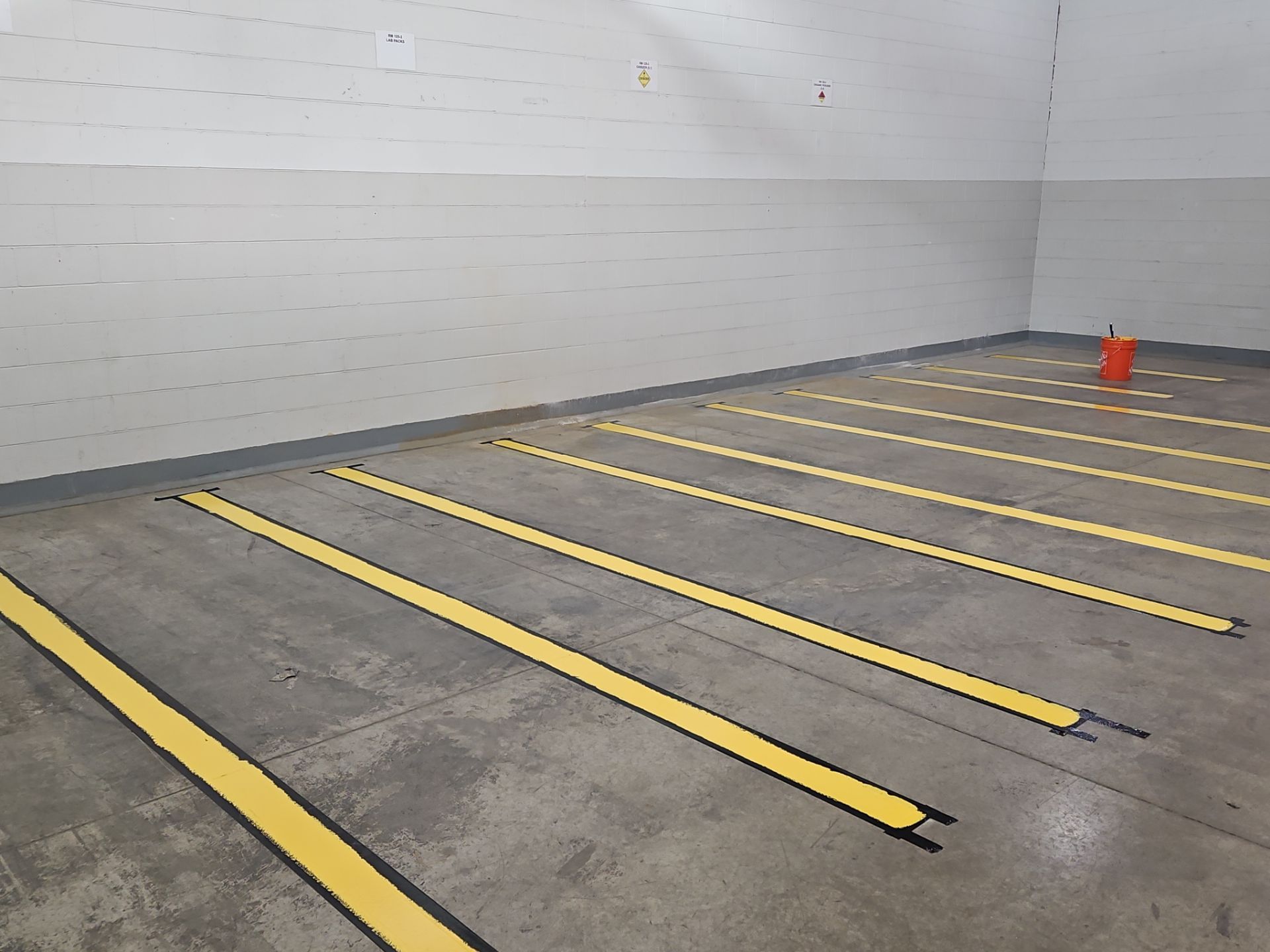
Warehouse line striping services define forklift lanes, pedestrian aisles, staging areas, and no-go zones for pallet stacking. Clear floor markings keep traffic organized and reduce accidents.
OSHA safety standards require that permanent aisles and passageways be clearly marked. Lines at least 2 inches wide meet minimum requirements. Many facilities use 4 to 6 inches for greater visibility in high traffic areas.
Night shift crews can remove old striping, prep the floor, and apply new warehouse line striping with fast-curing paints or epoxies. Lines dry and cure overnight. By morning shift, the floor is ready for traffic.
Many facility managers search for “warehouse striping companies near me” when they need this work. Often, the same experienced team can handle both professional warehouse painting services in the Milwaukee area and commercial exterior painting in a single project.
Equipment And Mechanical Areas
Equipment painting covers conveyors, tanks, hoppers, compressors, and structural frames around machinery. These surfaces face rust, abrasion, and chemical splash in production and packaging areas.
Coatings for equipment protect steel and extend service life. A fresh coat of industrial paint is maintenance, not just appearance.
Mechanical rooms, boiler areas, and chiller spaces need higher performance coatings. These spaces see moisture, heat, and frequent washdowns. Standard paints fail fast in these conditions.
Off-hours crews can lock out and tag specific pieces of equipment, paint them, and return them to service for the next shift. Safety protocols keep everyone safe while surfaces dry and cure.
Consistent colors and labeling on equipment support maintenance teams. Inspectors can identify systems faster. Workers can spot safety hazards quickly.
Commercial Exterior Painting On Industrial Properties
This section focuses on commercial exterior painting for warehouses, distribution centers, factories, and multi-tenant industrial buildings.
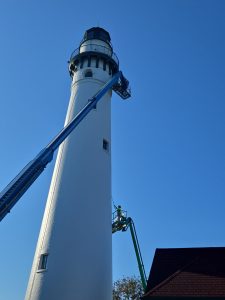
You can repaint facades, tilt-wall panels, masonry, and metal siding while interior operations stay active. Work happens from lifts on the exterior of the building. Inside, forklifts and pick crews keep moving.
Dock doors, bumpers, dock leveler faces, and canopy steel can be painted at night or on weekends. Trucks load and unload by day. No conflicts. No delays.
Weather is a key factor in Wisconsin. Exterior painting windows often run from late April through October in Milwaukee and Madison. Many coatings need temperatures above 50 degrees Fahrenheit. Dew, frost, and humidity in early spring or late fall can damage fresh paint or slow curing.
Surface prep drives coating life. Steps include:
- Pressure washing to remove dirt and mildew
- Rust removal on metal surfaces
- Crack repairs and caulking on concrete
- Priming before any topcoat goes down
Long life exterior systems reduce repaint frequency. Elastomeric coatings on concrete bridge small cracks and resist moisture. High build urethanes on metal panels hold up to weather and UV exposure. A well-prepped and properly coated exterior can last 8 to 12 years.
Clean, sharp commercial exterior painting improves curb appeal. It influences tenant renewals. It shapes the impression of carriers, vendors, and job candidates. Investing in commercial painting services in Madison, WI ensures a building that looks maintained and signals a company that operates well.
Interior and exterior work can run as a coordinated painting project. Phased night shift scheduling keeps both scopes moving without stopping your business.
Distribution Facility Painting Needs
Modern distribution centers run 24/7 operations. High dock counts. Tight shipping windows. Every hour matters.
Distribution facility painting needs detailed planning. Shutoff windows might run from 10 PM to 4 AM. They may vary by zone and day depending on outbound schedules and carrier pickup times.
Large footprints require phased work. A 500,000 square foot building cannot be painted in one weekend. The job runs across several weeks with clear weekly milestones. Zone-by-zone progress keeps the project on track.
Exterior touch ups need regular attention. Dock numbers fade. Door frames get hit by trucks. Bollards take impacts. Canopy columns collect dirt and wear. These surfaces need maintenance more often than main facade walls.
Warehouse line striping is especially important in pick-and-pack settings. Color coded paths direct pedestrian traffic. Pick module aisles stay separate from forklift lanes. Staging lanes for different carriers prevent mix-ups.
Commercial painting companies familiar with distribution facility painting coordinate with shift supervisors and logistics leads. They avoid key time windows like peak outbound sort hours. They flex around your schedule, not the other way.
A Madison area distribution center recently repainted interior columns and floor striping over 10 nights. Shipping volume stayed normal. Morning crews saw fresh surfaces and clear safety markings each day.
Choosing The Right Commercial Painting Company For Night Shift Work
Not all commercial painting companies are set up for industrial off-hours work around forklifts, conveyors, and dock schedules. The job requires specific experience and equipment.
Look for proven experience in industrial and warehouse painting. Ask for specific project examples from the last 2 to 3 years. Office and retail painting experience does not transfer to active industrial facilities.
Check references from facility managers, plant engineers, or warehouse supervisors. Ask them about night shift performance. Ask about communication. Ask about cleanup and handoff at shift change.
Crew size and equipment matter. You need enough experienced and professional painters, lifts, and line stripers to finish each zone during a limited overnight window. A crew that is too small will drag the project out.
Confirm safety items before signing any contract:
- OSHA training for all crew members
- Fall protection practices on lifts
- Confined space awareness where needed
- Proper ventilation planning for interior work
Ask about communication habits. Pre-job walkthroughs should be standard. Nightly status updates keep you informed. Photos document progress. A final punch list process ensures quality workmanship.
Verify licensing, bonding, and insurance. These should apply to commercial and industrial projects in Wisconsin. Residential coverage is not enough for this scope.
Local presence matters. A leading commercial painting company in Milwaukee and Madison can visit your site quickly. They can respond to scheduling changes. They can handle follow up warranty work without delays.
The same selection logic applies when searching “warehouse striping companies near me.” Commercial painting services in Madison, WI often bundle striping and painting together as one project.
Blair Commercial Painting: Night Shift Warehouse And Exterior Work
Blair Commercial Painting is a commercial and industrial-focused painting contractor serving Milwaukee, Madison, and nearby Wisconsin communities, with customer reviews highlighting quality and reliability.
Blair teams handle warehouse painting, commercial exterior painting, warehouse line striping, and equipment painting as core services. These are not side jobs. This is what Blair does every week.
Night shift and weekend scheduling are standard options. The service is built to keep production, warehousing, and distribution on schedule.
A typical Blair project scope includes:
- Interior walls and structural steel
- Floor coatings and striping
- Dock door exteriors
- Facade repainting
- Safety color coding and floor markings
- Ceiling painting in warehouse spaces
- Shot blasting and surface prep for concrete
Blair crews prioritize safety on every job. They understand live industrial environments and bring the same rigor they use as tall and specialty structure painting contractors. They coordinate with your EHS team. They use plastic sheeting and drop cloths to protect equipment and surfaces not being painted.
Blair can share project photos from industrial and commercial facilities across Wisconsin. This includes manufacturing plants, cold storage facilities, and regional distribution centers.
Clear, daily communication is standard. Site walks happen before work starts. Final walkthroughs happen once each zone is complete. You get professional results and customer satisfaction on every project.
Frequently Asked Questions About Commercial Exterior And Warehouse Painting
How Far In Advance Should I Schedule Commercial Exterior Painting?
In markets like Milwaukee and Madison, spring and summer schedules fill fast. Booking 4 to 8 weeks ahead for exterior painting is common. The best weather windows are limited in Wisconsin.
Interior warehouse painting and warehouse line striping can often be scheduled with shorter lead times. Night shift slots still book early during busy seasons.
Large distribution facility painting projects should start planning discussions at least 60 days before targeted start dates. Complex logistics need time to coordinate.
What Should My Team Do Before Painters Arrive At Night?
Clear pallets, racking, and equipment away from walls or dock exteriors scheduled for painting. Give crews room to work.
Mark any sensitive equipment, control panels, or IT gear that should not be covered or painted. Use tape or signs to flag these items.
Assign a point of contact for the night shift. A supervisor or on-call manager should be available to handle questions and access issues.
How Does Weather Affect Commercial Exterior Painting In Wisconsin?
Many exterior coatings need temperatures above 40 to 50 degrees Fahrenheit. Surfaces must be dry for proper adhesion and curing.
Wind, rain, or heavy dew in spring and fall can shift night work into daytime or weekend windows. Conditions need to be stable for quality finishes.
A local Milwaukee commercial painting company understands seasonal patterns. They plan the schedule and select materials that fit the climate.
Can You Work Around My Peak Shipping Or Production Times?
Off-hours painting is designed for exactly this need. Crews avoid peak windows like morning outbound shipping or afternoon production runs.
Crews can pause during short high traffic windows at night. They can focus on distant zones until traffic slows. Flexibility is built into the process.
Share your exact schedule patterns with your commercial painting company. The project plan should reflect your busy areas and busiest hours.
How Is A Warehouse Painting And Striping Project Priced?
Pricing depends on many factors. Square footage, surface condition, height, coating type, and the amount of prep and safety setup all affect cost.
Night shift or weekend work can change labor costs slightly. But it may save money overall by avoiding downtime and keeping your facility running.
Request a site visit and free estimate. Compare options for phasing work and balancing cost with schedule needs. A great company will walk through the space and build a plan that fits your business.
Talk With Blair Commercial Painting
Blair Commercial Painting helps warehouses, plants, and distribution centers complete interior and commercial exterior painting without lost production days. Expert painting services run on your schedule, not against it.
Blair works nights so your facility works days. Service covers Milwaukee, Madison, and surrounding Wisconsin locations.
Ready to schedule painting around your production schedule? Contact Blair Commercial Painting to talk through your facility’s needs and get a quote. We work nights so your facility works days.